West Harrow garden maintenance prices hidden fees to avoid: what to check before you book
If you are comparing garden help in West Harrow, the price on the first message can look reassuringly tidy. Then the extras start creeping in: waste removal, access charges, minimum visits, call-out fees, and little add-ons that somehow weren't mentioned at the beginning. That is exactly why West Harrow garden maintenance prices hidden fees to avoid matters. It is not just about getting a lower quote. It is about knowing what the quote actually covers, so you can budget properly and avoid that annoying end-of-job surprise.
In this guide, we will break down how pricing usually works, which hidden fees are worth watching, how to compare quotes fairly, and what to ask before you agree to anything. We will keep it plain-English and practical. No fluff, no pretend certainty, just the sort of advice you would want if someone were standing at your gate with a clipboard and a vague estimate.
Why West Harrow garden maintenance prices hidden fees to avoid Matters
Garden maintenance looks simple from the outside. A bit of mowing, a little pruning, maybe a tidy-up around the borders. But in real life, gardens are messy in their own specific way. One week the lawn is straightforward, the next week there is overgrowth, a damp patio, and a pile of clippings that need removing. That is where pricing gets complicated.
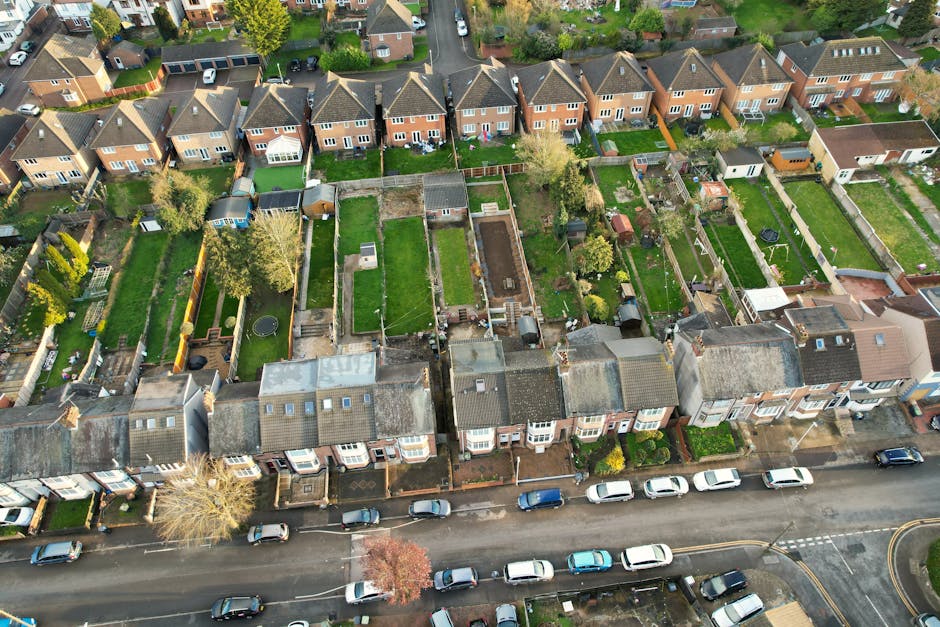
In West Harrow, a lot of homes have compact front gardens, mixed access, side passages, shared driveways, and a decent amount of seasonal growth. That combination can create pricing differences that are easy to miss if you only glance at the headline figure. A quote might look cheap until you realise it excludes disposal, travel, or a second visit for the bits that were not visible on the first inspection.
Hidden fees matter because they distort your decision. You think you are comparing one provider against another, but actually you are comparing two different scopes of work. That is not fair on you, and to be fair, it is not always obvious even for careful customers. A good provider should make the scope clear from the outset. If they don't, you will often feel it later in the invoice.
There is also the trust issue. Garden work is often ongoing, not one-off. If a provider starts with a low intro price and then layers on charges each visit, the relationship becomes frustrating pretty quickly. You want reliable upkeep, not a billing puzzle.
Key takeaway: the cheapest quote is only cheap if it includes the work you actually need. Otherwise, it is just a small number with a big asterisk.
How West Harrow garden maintenance prices hidden fees to avoid Works
Most garden maintenance pricing falls into a few familiar patterns. Some companies price by hour, some by task, some by visit, and some by a monthly or seasonal plan. None of those models is automatically bad. The trick is knowing what sits inside the price and what is treated as extra.
Here is the basic shape of it. A quote may include standard labour for routine upkeep, but exclude anything that increases time, equipment use, or disposal volume. That can include heavy weeding, overgrown hedges, green waste clearance, moving furniture, dealing with hard access, or working after poor weather has left the garden soggy and awkward underfoot.
In practice, hidden fees often appear in the gap between what a customer assumes is included and what the provider has clearly written down. One person hears "garden tidy-up" and imagines a full border clean, hedge trim, and bagging everything for disposal. The company, meanwhile, may mean a light surface tidy only. Same words, very different expectations.
That is why the quote process matters so much. If a gardener has seen the space, asked the right questions, and written the scope clearly, there should be fewer surprises. If the quote comes in quickly with little detail, it may still be genuine, but it deserves more scrutiny.
It also helps to think in terms of service categories. A regular maintenance visit is different from a one-off overhaul. If your garden needs an initial rescue before it can be maintained properly, that should usually be priced separately. A fair provider will explain that, not sneak it in halfway through the job.
Common pricing models you may see
- Hourly pricing: useful for unpredictable jobs, but only if the hourly rate and likely time range are clear.
- Fixed-price visits: simpler for routine work, though the scope needs to be tightly defined.
- Seasonal or monthly maintenance: helpful for ongoing upkeep, especially if your garden needs steady attention.
- Project-style pricing: more common where maintenance overlaps with larger work, such as clearing or reshaping an area before ongoing care begins.
If you are already planning broader improvements, it can help to understand how maintenance sits alongside other services such as landscaping in West Harrow, lawn mowing, or lawn care. Sometimes the hidden fee is not a fee at all. It is simply a service boundary nobody explained clearly.
Key Benefits and Practical Advantages
Checking for hidden fees is not just defensive. It gives you better control over the whole job. Once you know how the pricing is built, you can make smarter decisions about frequency, scope, and which tasks are worth bundling together.
The first benefit is predictability. A clear maintenance arrangement helps you plan your household budget instead of mentally preparing for a surprise invoice every month. That matters more than people admit. Garden spending tends to feel small until it stacks up.
The second benefit is better comparison. You can only compare like with like if the quotes match the same tasks. If one provider includes hedge trimming, debris collection, and patio sweeps while another does not, the cheaper one may actually be the more expensive option once the extras are added.
The third benefit is a better-looking garden. It sounds obvious, but when maintenance is properly scoped and consistently delivered, the results usually last longer. The lawn stays manageable, the edges stay neat, and weeds do not quietly take over in the background. Small jobs stop turning into rescue jobs.
There is also a quality-of-service benefit. Providers who are transparent with pricing tend to be more organised in general. That is not a hard rule, of course, but it is a useful pattern. If the quotation is careful, the work often is too.
For homeowners who want a broader service relationship, transparency also makes it easier to add occasional tasks such as hedge trimming, patio cleaning, or even fencing work without losing track of what each visit costs.
Who This Is For and When It Makes Sense
This topic is for anyone who has ever looked at a garden quote and thought, "Hang on, what exactly am I paying for?" So, basically, a lot of people.
It is especially relevant if you:
- own a small or medium garden and want regular upkeep without overpaying
- have not had maintenance done for a while and expect the first visit to be heavier than normal
- manage a rental property and need clean invoicing for records
- are comparing several local providers and want a fair comparison
- need one-off work before moving to a maintenance schedule
It also makes sense if your garden has features that are easy to underestimate, such as raised beds, long borders, mature shrubs, awkward access, or hard landscaping that creates extra tidying time. In a West Harrow garden, even a fairly modest space can become unexpectedly fiddly once the provider starts moving bags, tools, or clippings around the side of the house.
One of the most common moments when people realise they need this guidance is after a first tidy-up. The garden looks great, but the bill includes extras for green waste, a longer visit, or disposal of larger cuttings. That does not always mean the provider did anything wrong. It often means the customer and the gardener were not aligned on scope. And that mismatch is what we are trying to prevent.
Step-by-Step Guidance
If you want to avoid hidden fees, the best approach is simple: define the job, ask structured questions, and get the quote in writing. It sounds basic because, well, it is basic. But this is where people often get caught out.
- Describe the garden honestly. Mention overgrowth, access issues, waste build-up, slippery areas, and anything that might increase labour time.
- Ask what the price includes. Do not settle for "general maintenance." Ask for mowing, edging, weeding, pruning, clearing, and binning to be listed plainly.
- Ask what is excluded. This is where hidden fees usually hide in plain sight. Waste removal, extra labour, travel, materials, and parking can all matter.
- Request a site visit if the job is not straightforward. A proper look often saves money later because the quote is more realistic.
- Confirm whether the price is hourly or fixed. If it is hourly, ask whether there is a minimum charge or chargeable block of time.
- Check frequency. A once-a-month tidy-up is not the same as weekly upkeep. The cheaper option today may create a bigger cost later if the garden deteriorates.
- Get the quote and scope in writing. Email is fine. A text with enough detail is better than nothing. Vague verbal agreements are where arguments are born.
- Review the first invoice carefully. If something was added, ask why. Calmly. Sometimes there is a perfectly reasonable explanation, and sometimes there is not.
A useful clarification here: asking for detail is not you being difficult. It is normal. Any decent gardener should expect a few practical questions. If anything, a customer who cares about the scope usually makes the whole job smoother.
Expert Tips for Better Results
Here is where a bit of field experience helps. Not flashy experience. Just the everyday kind you get from dealing with damp leaves, untidy borders, and the odd hedge that has grown more ambition than structure.
Tip 1: Separate routine maintenance from recovery work. If the garden needs a serious reset, price that as a one-off clean-up. Then negotiate the ongoing upkeep separately. This is one of the cleanest ways to avoid confusion.
Tip 2: Watch for "from" pricing. "From GBPX" can be fine, but only if there is a clear explanation of what moves the price up. If there is no explanation, assume there is a catch waiting nearby.
Tip 3: Be specific about waste. Green waste is one of the most common extras. Ask whether bagging, loading, and disposal are included. If you have a large amount of cuttings, that detail matters more than you might think.
Tip 4: Ask how they handle seasonal changes. Spring growth and autumn leaf fall are not the same workload. A fair pricing structure should acknowledge that. A flat arrangement can still work, but it should be agreed knowingly.
Tip 5: Bundle related tasks carefully. If you know you need mowing, edging, and light weeding, bundle them into one visit when possible. It often gives a better value-per-visit than spacing them out awkwardly.
Tip 6: Keep a simple record. A quick note on your phone about what was agreed is surprisingly useful. Nothing dramatic. Just enough to avoid the classic "I thought that was included" conversation.
There is a small but important mindset shift here: you are not just buying labour, you are buying clarity. That clarity is worth paying for. Truth be told, it saves more money than chasing the lowest headline rate ever will.
Common Mistakes to Avoid
People usually get caught by the same handful of mistakes. None of them are clever. They are just easy to make when you want the garden sorted and you are busy with everything else.
- Comparing only the headline price. This is the big one. A low quote can be a narrow quote.
- Assuming waste removal is included. It often is not.
- Skipping the site visit. A quote based on a few photos can miss awkward access or hidden overgrowth.
- Using vague language. "Tidy garden" means different things to different people.
- Not asking about minimum charges. Short visits can still carry a minimum fee.
- Forgetting seasonal work spikes. The garden that looks fine in February can be a jungle by May. Little joke, but only just.
- Not checking if the provider is quoting labour only. Labour-only quotes are not bad, but they need to be understood.
A slightly overlooked mistake is assuming every extra cost is a hidden fee. Sometimes it is not hidden at all; it is simply a legitimate additional task that needed more time or equipment. The key is transparency. If a provider can explain the cost clearly, that is very different from tacking it on at the end with a shrug.
Tools, Resources and Recommendations
You do not need a complicated system to protect yourself. A few simple tools and habits are enough.
- A short checklist: list the tasks you want, the areas to be covered, and any limits, such as "no waste removal" or "include hedge cuttings."
- Photos of the garden: useful for your own reference, and helpful if you want to compare quotes later.
- A notes app or email trail: keep the agreed scope in one place.
- Basic measurement notes: rough garden size, number of beds, hedge length, or problem areas can help a quote become more accurate.
- Service pairing awareness: if your garden needs more than routine upkeep, think in terms of related work like general gardening support, tree surgery, or decking care and upkeep where relevant.
For readers in West Harrow who prefer to hand things over to a team rather than patching together different jobs, the best resource is often a properly structured service page and a direct conversation. If you want to speak to a local team about your garden, the simplest route is to get in touch here.
It also helps to read up on related garden topics before you book. For example, if your boundaries or planting are part of the issue, articles like quick-growing hedges, weed control techniques, and winter plant protection can give you a better sense of what your garden actually needs before you pay anyone to maintain it.
Law, Compliance, Standards, or Best Practice
This is not a legal deep-dive, and it would be unwise to overstate it. Still, there are sensible UK best practices that matter when you are hiring garden maintenance help.
First, any work involving waste should be handled responsibly. If green waste is being removed, ask how it will be dealt with. You do not need a lecture on disposal law, but you do want reassurance that it is being managed properly rather than dumped somewhere sketchy. Common sense counts here.
Second, if the work involves ladders, power tools, larger branches, or anything that could create risk, the provider should be working safely and appropriately. That is especially relevant for hedge work or anything near fences, sheds, or structures. In a compact West Harrow garden, one clumsy move can damage a neighbour's boundary or your own patio edge.
Third, a written quote and clear scope are simply best practice. They protect both sides. They reduce disputes, make invoicing easier, and help everyone stay realistic about what the job includes.
If the work touches more specialised areas such as boundary structures, mature planting, or storm-damaged growth, it is sensible to ask questions before the job starts. A professional approach beats guesswork every time. That goes for maintenance, heavy pruning, and even follow-on work such as storm preparation or ivy removal if those issues are part of the wider picture.
Options, Methods, or Comparison Table
When choosing a maintenance arrangement, it helps to compare the main options side by side. The cheapest structure is not always the best value, especially if your garden needs consistent attention.
| Pricing approach | Best for | Typical strengths | Common fee risk |
|---|---|---|---|
| Hourly | Unpredictable or variable gardens | Flexible, easy to start | Time can stretch if scope is vague |
| Fixed-price visit | Routine upkeep with clear tasks | Budget-friendly and simple | Extras may be charged if work expands |
| Monthly plan | Ongoing maintenance and neat presentation | Stable scheduling, easier planning | May exclude seasonal or heavy-clearance work |
| One-off clearance then plan | Overgrown gardens needing reset | Separates rescue work from routine care | Initial visit can be more expensive upfront |
In real terms, a fixed-price routine visit is often the easiest to manage if your garden is already under control. A monthly plan makes sense if you want less thinking and more consistency. Hourly pricing can still work, but only if you are comfortable with the possible range. The important thing is not the model itself. It is whether the model matches the state of your garden.
Case Study or Real-World Example
Here is a realistic example, stripped of drama.
A homeowner in West Harrow had a small rear garden that looked fairly manageable in photos. There was a lawn, two beds, a hedge, and a patio that needed a general tidy-up. The first quote came back attractive. Nice and neat. But the homeowner asked for a written breakdown before booking.
That was the useful part.
Once the provider looked again, it became clear that the hedge needed more work than first thought, the patio had a layer of grime that would need separate attention, and there was a good amount of green waste to remove. None of that was outrageous. It just was not captured in the first rough figure. The final scope changed, the price changed too, and the customer avoided feeling misled.
Now, imagine the same job with no breakdown. The provider turns up, works longer than expected, bags up everything, and adds disposal and additional labour to the invoice. The customer feels blindsided, even if the charges are technically defensible. That friction could have been avoided with a clearer conversation at the start.
That is really the whole story. Hidden fees are often just hidden assumptions. Catch them early and you keep the whole arrangement calm. Much better for everyone.
Practical Checklist
Use this before you accept any garden maintenance quote in West Harrow.
- Have I described the garden honestly, including overgrowth and access issues?
- Do I know exactly which tasks are included?
- Have I asked what is excluded?
- Is waste removal included or charged separately?
- Is the quote hourly, fixed, or plan-based?
- Are there minimum call-out or minimum time charges?
- Have seasonal changes been discussed?
- Is the scope written down somewhere I can refer back to?
- Do I understand whether this is routine maintenance or a one-off clearance?
- Have I compared at least two quotes on the same scope?
If you can tick most of those boxes, you are in a much better position than most people. Honestly, that alone can save a lot of stress.
Conclusion
The best way to handle West Harrow garden maintenance prices hidden fees to avoid is to slow the process down just enough to make it clear. Ask what is included, what is not, how waste is handled, and whether the quote reflects the actual state of the garden rather than a neat assumption about it. That one habit can save money, reduce confusion, and help you choose a provider based on value rather than guesswork.
If your garden is already tidy, you may only need a straightforward maintenance plan. If it has slipped a bit, you may need a reset first. Either way, clarity is the real bargain. And once you have that, the rest gets easier. A neat garden, a fair price, fewer surprises. Not a bad result at all.
Get a free quote today and see how much you can save.
Frequently Asked Questions
What hidden fees should I look for in garden maintenance quotes?
The most common extras are waste removal, extra labour for overgrowth, minimum charges, travel or access costs, and fees for tasks not included in the original scope.
Is a low garden maintenance quote usually a red flag?
Not always, but it can be if the quote is vague. A low price is only useful when it clearly includes the work you need. Otherwise, it may rise once extras are added.
Should garden maintenance include waste removal?
Sometimes yes, sometimes no. It depends on the provider. Always ask whether green waste bagging and disposal are included, because that is a very common charge point.
How can I compare two quotes fairly?
Make sure both quotes cover the same tasks, the same garden areas, the same frequency, and the same waste handling. Without that, you are not comparing like with like.
Do I need a site visit before getting a price?
For simple routine jobs, maybe not. For anything overgrown, awkward, or larger than it looks, a site visit is usually the safer option because it reduces pricing surprises.
Why do prices change after the first visit?
Because the real condition of the garden sometimes becomes clearer only once work begins. Hidden corners, dense growth, and heavier waste can all increase time and cost.
Is hourly pricing better than fixed pricing?
Neither is automatically better. Hourly pricing suits variable jobs; fixed pricing suits routine tasks with a clear scope. The best model is the one that matches your garden.
What should be written in a quote?
A good quote should say what tasks are included, what is excluded, whether waste removal is covered, how often the work will happen, and whether there are minimum charges.
Can seasonal changes affect maintenance costs?
Yes, quite a bit. Spring growth and autumn leaf fall can take more time than a quiet period in winter, so it is sensible to ask how seasonal variation is handled.
What if I am not sure what my garden needs?
That is common. Start with a clear description of the space and ask for a breakdown of options. A good provider can usually separate basic upkeep from heavier clearance work.
Do I need to worry about compliance when hiring a gardener?
You do not need to overthink it, but you should expect safe working practices and sensible waste handling. Clear written terms are also a strong sign of professionalism.
How do I stop surprise charges on the final invoice?
Get the scope in writing, ask what is excluded, confirm waste handling, and check the first invoice against what was agreed. Most surprise charges can be prevented with those steps.