Headstone Manor garden case study by West Harrow gardeners
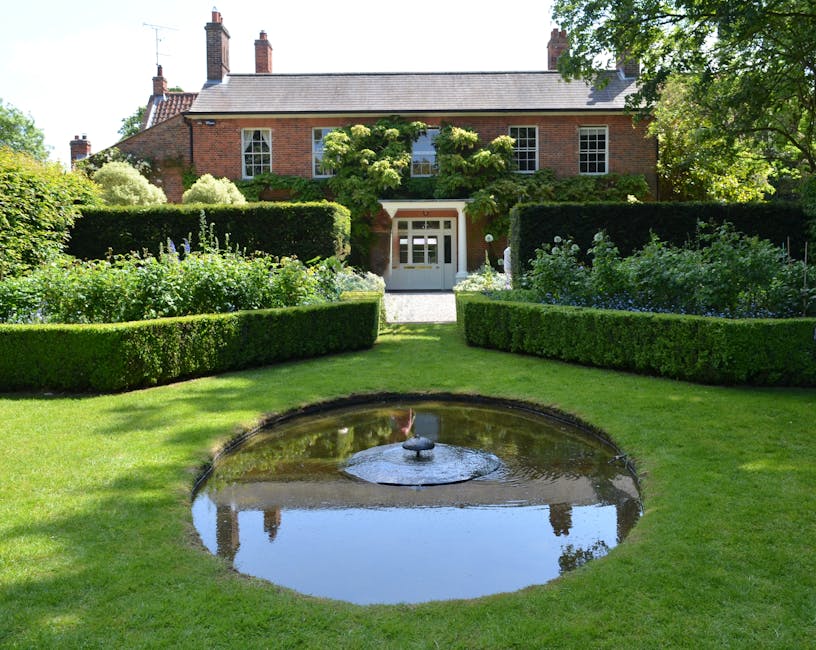
If you are looking for a grounded, useful look at how a tired outdoor space can be reshaped without losing its character, this Headstone Manor garden case study by West Harrow gardeners is a good place to start. It is not just about making a garden look neat for a week or two. It is about understanding shade, access, structure, planting rhythm, and the kind of maintenance that keeps a space looking cared for through real British weather. In a place like Headstone Manor, where gardens can be compact, overlooked, or simply a bit out of sync with how people actually use them, the details matter.
In this article, we walk through the thinking behind a typical local garden improvement project, the common decisions that shape results, and the practical lessons that tend to come up along the way. You will also find a simple checklist, a comparison table, and a no-nonsense FAQ section. Fair warning: there is no magic wand here. But there is a lot you can learn from a well-planned transformation.
Why Headstone Manor garden case study by West Harrow gardeners Matters
People often think a garden case study is only useful if it shows dramatic before-and-after photos. To be fair, the photos help. But the real value is in the decision-making behind the work. A Headstone Manor garden case study shows how a local team reads a space: what is failing, what can be rescued, and what needs to be changed so the garden feels easier to live with.
That matters because many gardens in this part of London are not blank canvases. They may have mature shrubs that have overgrown their shape, lawns that thin out under trees, patios that have gone slippery, or awkward boundaries that make the space feel smaller than it is. West Harrow gardeners working on a Headstone Manor garden need to think in layers, not just surfaces. Structure first, then planting, then maintenance. The order matters.
There is also a local relevance factor. Gardens in urban and suburban settings often have mixed conditions: sun in one corner, damp shade in another, compacted soil, limited storage, and neighbours close by. A good case study demonstrates how the right mix of landscaping services in West Harrow, routine upkeep, and selective plant choice can make the whole space feel more balanced without turning it into a fussy showpiece.
And that is really the point. A useful garden is one you can actually keep. Not just admire from the kitchen window for three days.
How Headstone Manor garden case study by West Harrow gardeners Works
A solid garden improvement project usually begins with a site walkthrough. That sounds obvious, but it is where the best decisions come from. Before anything is cut, moved, or planted, the team looks at access, drainage, boundaries, soil condition, existing trees, sunny spots, shady spots, and where people naturally walk or sit.
From there, the work is usually shaped around a few core questions:
- What is worth keeping?
- What is causing clutter, shade, or maintenance problems?
- Which areas need hard landscaping and which need planting?
- How much time does the owner realistically want to spend on upkeep?
In many Headstone Manor gardens, the answer is not to start from scratch. Often the better move is to clear, repair, reframe, and simplify. That can include hedge shaping, lawn recovery, ivy removal, patio washing, border redesign, and boundary work. A project may bring in routine garden maintenance alongside specialist tasks like patio cleaning or fencing work if the perimeter needs attention.
The workflow is usually sensible and pretty calm. Clear the problem areas. Fix the bones of the garden. Then make the planting and finishing details easier to live with. It is not glamorous, but it works.
Key Benefits and Practical Advantages
The real advantages of a well-handled garden case study are practical, not just visual. A neat border is nice. A garden that drains better, grows better, and takes less effort to maintain is better. Simple as that.
- Better use of space: A confused garden often hides its best features. Reworking levels, edges, and routes can make even a small plot feel larger.
- Less maintenance stress: If shrubs are cut back properly and lawn edges are defined, weekly upkeep becomes far more manageable.
- Improved safety: Slippery paving, unstable fencing, overhanging branches, and hidden trip hazards are all easier to address in one coordinated project.
- Stronger plant performance: Healthy soil, right-sized planting, and better light access usually lead to better results over time.
- Higher everyday enjoyment: A garden should feel like a place you want to step into, not a job you keep avoiding.
There is also a commercial-inquiry angle here. Many homeowners start by wanting one visible fix, then realise the garden has a bigger structural issue. Maybe the lawn is failing because a hedge is too dense. Maybe a patio feels gloomy because the planting is too tall and blocks light. Case studies are useful because they show how one practical change can support several others. That is where experienced West Harrow gardeners earn their keep.
Who This Is For and When It Makes Sense
This kind of project makes sense for people who want more than a quick tidy-up. If you are trying to sell a property, improve your family's use of the garden, or simply stop the space from slipping into chaos every few weeks, it is relevant.
It is especially useful for:
- homeowners with an overgrown or underused garden
- landlords who need the outside space to feel presentable and low-risk
- families who need clearer paths, safer surfaces, and more usable lawn
- people who want to reduce future maintenance, not just clean up once
- garden owners dealing with shade, weed pressure, or boundary clutter
It may also be the right move if your garden has one of those awkward "almost good, but not quite" layouts. You know the sort. A narrow side return, a tired lawn, a hedge that has got ideas above its station, and a patio that always seems a little damp. In those situations, a proper plan is far more effective than random weekend jobs.
If the aim is broader transformation, you may also want to look at general gardening services in West Harrow to cover the whole project from clearing to aftercare.
Step-by-Step Guidance
Here is the practical sequence that usually produces the best outcome. It is not the only way, but it is a sensible one.
- Assess the space honestly. Look at what is working, what is tired, and what is actively causing problems. Be blunt. Pretty gardens start with honest notes.
- Clear the clutter. Remove dead growth, invasive weeds, loose waste, collapsed supports, and anything blocking access or light.
- Deal with structural issues first. If fencing is leaning, a tree needs attention, or the patio has unsafe build-up, fix that before planting new shrubs around it.
- Shape the living boundaries. Hedges and shrubs should define, not dominate. Good trimming gives a garden breathing room.
- Refresh the ground layer. Lawns, borders, and soil quality are the base of the whole design. A weak base means constant problems later.
- Improve key surfaces. Clean paving, edging, and decking so the space feels brighter and more deliberate.
- Add planting with purpose. Choose plants that suit light levels, maintenance expectations, and the garden's scale.
- Set up a maintenance rhythm. Once the space is improved, keep it that way with a realistic plan rather than heroic effort every few months.
For many homeowners, the turning point is the first 90 minutes. Once the overgrowth is removed and the main shapes are visible, the garden suddenly starts making sense again. It is a bit like cleaning your glasses and realising the world was fuzzy for weeks.
Where tree canopies or major branches are limiting light, a specialist approach can help. In those cases, tree surgery in West Harrow may be part of the wider plan, especially when the garden has become too shaded or cluttered overhead.
Expert Tips for Better Results
Good garden work is often about restraint. A lot of people want to do more, faster. But the best results usually come from better judgement, not bigger effort.
- Work from the edges inward. Clean boundaries, walls, fences, and hedges first. It instantly improves the shape of the whole space.
- Keep one strong focal point. A patio, bench, specimen shrub, or clear lawn run can help the eye settle.
- Respect mature plants. Old shrubs and trees often only need proper reduction and feeding, not removal. Let's not bully everything into submission.
- Think seasonally. A garden that looks great in spring but collapses in winter is not fully planned. Winter structure matters.
- Use the right maintenance frequency. Some gardens need frequent mowing and edging, while others need only light monthly care. Match the workload to the site.
One useful trick is to treat the garden like a room with different zones. If one corner is always damp and shaded, do not force a sun-loving display there. If the back of the garden catches wind, use planting or screening that can actually cope. That kind of thinking saves money and disappointment.
For shaping boundaries and improving visual flow, it can help to review ideas from hedge-trimming shape ideas, especially if you want cleaner lines without losing softness.
Common Mistakes to Avoid
Most garden failures are not dramatic. They are small, repeated errors. The kind that creep in when a space is treated as a one-off job instead of a living system.
- Cutting everything back too hard. Severe pruning can leave gaps, stress plants, and make the garden look bare for months.
- Ignoring drainage. A lovely design means very little if water sits in the wrong place after rain.
- Replacing problems with more clutter. New pots, ornaments, and features do not solve poor structure.
- Choosing plants for appearance only. If they are not suited to the light, soil, or maintenance level, they will struggle.
- Forgetting access. If getting to the back gate or bins becomes awkward, the whole garden gets frustrating to use.
- Skipping aftercare. Fresh planting, newly seeded lawns, and trimmed hedges all need some follow-up. Otherwise the project slides backwards.
A surprisingly common mistake is over-committing to a "minimal maintenance" idea without being realistic about the site. A low-maintenance garden still needs good groundwork. It just asks for less panic later. That is the dream, really.
For weed pressure, it often helps to use a layered approach instead of one-off clearance. If you are dealing with persistent growth, the guide on effective weed control techniques is a useful companion read.
Tools, Resources and Recommendations
You do not need a van full of expensive kit to improve a garden. But the right tools do make a big difference, especially for clean finishes and safe working.
- Hand tools: secateurs, loppers, spade, border fork, rake, and a sturdy hoe
- Cutting tools: hedge trimmers, lawn mowers, and saws suited to the scale of the job
- Surface-cleaning gear: patio brushes, suitable washing equipment, and weed removal tools
- Planting materials: compost, mulch, edging, and supports for young plants
- Safety gear: gloves, eye protection, and proper footwear
It is also worth having a clear maintenance plan after the main project. A once-pristine garden can drift fast if nobody is assigned the basics. Mowing, edge cutting, hedge checks, litter pickup, and seasonal pruning all add up. If you want a dependable follow-up routine, lawn care and regular lawn mowing are often the backbone of keeping things tidy.
For anyone trying to prepare properly before a bigger project, the article on must-have equipment for the dedicated gardener is a handy practical reference. Not fancy. Just useful.
Law, Compliance, Standards, or Best Practice
Garden work in the UK is not usually heavy on formal paperwork, but there are still sensible standards to respect. If trees are protected, shared boundaries are involved, or access creates risk, it is wise to pause and check before work begins. The same goes for waste handling, noise sensitivity, and neighbour relations. Common sense goes a long way here, honestly.
Best practice usually includes the following:
- Check ownership and boundary lines before altering fences, hedges, or overhanging growth close to neighbours.
- Work safely at height and avoid unsafe ladder use for pruning or tree work.
- Dispose of green waste properly and do not leave piles blocking paths or drains.
- Use plant care and pruning methods appropriate to the species rather than forcing a one-size-fits-all cut.
- Take care with water run-off and slippery surfaces when cleaning patios or decking.
If a project includes large branches, unstable trees, or signs of disease, professional assessment is the sensible route. Likewise, if a boundary hedge is part of a wider design update, guidance from hedge trimming specialists can help keep the work neat and proportionate.
That balance between practical improvement and respectful, safe work is what separates a tidy garden from a well-managed one.
Options, Methods, or Comparison Table
When looking at a garden improvement project like this, there are usually a few different ways to tackle the same space. The right choice depends on budget, time, and how much long-term maintenance you want to take on.
| Approach | Best for | Strengths | Limitations |
|---|---|---|---|
| Clear-and-tidy refresh | Overgrown gardens needing quick recovery | Fast improvement, lower disruption, easier to budget | May not solve deeper layout issues |
| Partial redesign | Gardens with usable structure but poor flow | Balanced cost, better functionality, stronger visual result | Needs planning and careful sequencing |
| Full landscape transformation | Spaces with major layout or usability problems | Most complete change, best for long-term goals | More time, higher cost, more decisions |
| Maintenance-led improvement | Gardens that only need consistency, not rebuilding | Stable results, low stress, easy to sustain | Works best when the base structure is already decent |
For many Headstone Manor gardens, the middle route is the smartest. A partial redesign with sensible maintenance often gives the best return. You keep what works, remove what does not, and avoid paying for unnecessary change.
Where the space needs a wider visual reset, decking services or broader landscaping work can be part of a joined-up solution rather than a patch job.
Case Study or Real-World Example
Here is a realistic example based on the sort of work West Harrow gardeners often carry out around Headstone Manor. A homeowner has a garden that feels smaller every year. The patio is stained and mossy, the lawn has patchy areas under shade, the hedge has grown unevenly, and the back corner is full of old weeds and forgotten pots.
The first step is not planting. It is clearing. The team removes the debris, cuts back the hedge to restore shape, and assesses whether the nearby trees are limiting too much light. The patio is cleaned so the surface looks brighter and safer. The lawn is then thinned, aerated, and re-established in the sections that can actually support grass. Shade-tolerant planting goes into the duller corner instead of forcing lawn to survive there forever.
The transformation is not only visual. The owner can now walk the space without stepping around random clutter. The garden feels calmer. The patio becomes usable again for tea, breakfast, or the occasional family gathering. And the hedge stops doing that slightly aggressive thing hedges do when left alone too long.
There is usually one lovely moment in projects like this: late afternoon, when the light finally reaches the back of the garden because the right growth has been lifted or cut back. Everything looks different. Not flashy. Just right.
For inspiration on turning a neglected space into something worth spending time in, see this garden makeover guide. It pairs nicely with the practical mindset behind a case study like this one.
Practical Checklist
Use this as a quick planning list before starting work or requesting help.
- Identify the biggest pain point in the garden
- Check which plants, trees, or structures are worth keeping
- Measure how much sun and shade different areas receive
- Inspect fencing, paving, steps, and edges for damage
- Decide whether the lawn needs recovery or replacement
- Confirm how much maintenance you can realistically keep up with
- Remove clutter, waste, and dead growth before adding anything new
- Choose planting that suits the site rather than forcing a trend
- Plan seasonal upkeep for mowing, hedging, pruning, and cleaning
- Think about safety, access, and drainage before finalising the design
Expert summary: The strongest Headstone Manor garden projects are usually not the most dramatic. They are the ones that make the garden easier to use, easier to maintain, and more pleasant to be in every single week. Small decisions, handled well, add up.
Get a free quote today and see how much you can save.
Conclusion
A good Headstone Manor garden case study by West Harrow gardeners is really a study in judgement. What to cut, what to keep, what to clean, what to rebuild, and what to leave alone. That last one matters more than people think. Good garden work is often about knowing when not to touch something.
If you take anything from this guide, let it be this: the best gardens are practical first. Beautiful second, yes, but practical first. When the structure is sound, the planting suits the conditions, and the maintenance plan is realistic, the space starts to feel easy. And that is the bit people remember long after the initial tidy-up is done.
Whether you are planning a modest refresh or a more complete transformation, a careful local approach can make a quiet but lasting difference. Sometimes that is all a garden needs. A bit of clarity. A bit of shape. Then it breathes again.
Frequently Asked Questions
What is a Headstone Manor garden case study by West Harrow gardeners?
It is a practical example of how a local gardening team assesses, improves, and maintains a garden in the Headstone Manor area. The focus is usually on real problems such as overgrowth, poor layout, weak lawns, or tired boundaries.
Why would someone look for a garden case study instead of a service page?
A case study helps you understand how a project is approached in real life. It shows the thinking behind the work, not just the list of services. That is useful if you want to judge whether a team's style suits your own garden.
Can a garden be improved without a full redesign?
Yes, absolutely. Many gardens improve most through targeted clearing, hedge work, lawn recovery, and surface cleaning. A full redesign is not always necessary, and sometimes it would be overkill.
What problems are most common in Headstone Manor gardens?
Common issues include shading from mature trees, uneven hedges, patchy lawns, tired patios, boundary clutter, and gardens that have become difficult to maintain. These problems often appear together, which is why a joined-up plan helps.
How do I know whether my lawn needs care or replacement?
If the grass is thin but the area still has reasonable soil and light, lawn care may be enough. If the area is heavily shaded, waterlogged, or badly compacted, a lawn may struggle no matter how much effort you put in. In that case, a different ground cover or planting approach may be smarter.
Is hedge trimming just for appearance?
No. Trimming also helps manage light, space, privacy, and plant health. A well-shaped hedge can make a garden look more deliberate and can reduce the feeling of clutter around borders.
When is patio cleaning worth doing?
It is worth doing when surfaces look dull, slippery, mossy, or stained. A clean patio can change the whole feel of the garden because it often forms the main sitting or walking area. It sounds minor, but it really is not.
How often should a garden like this be maintained after the main work?
That depends on planting, lawn use, and how fast things grow. Some gardens need weekly attention in the growing season, while others do well with monthly or seasonal visits. The right rhythm is the one you can stick to.
Do I need specialist help for trees close to the garden?
If branches are overhanging heavily, blocking too much light, or looking unsafe, specialist assessment is a good idea. Tree work should be handled carefully because it affects safety, light levels, and sometimes neighbouring properties too.
What is the biggest mistake people make with garden makeovers?
The biggest mistake is starting with decoration instead of structure. People buy new plants or features before sorting out drainage, boundaries, overgrowth, or maintenance issues. That tends to create more work later.
Can this type of garden project be low maintenance?
Yes, if it is designed honestly. Low maintenance does not mean no maintenance. It means the garden has been planned to reduce unnecessary work, with plants and materials that suit the site.
What should I prepare before asking for help with a garden project?
Make a short list of what bothers you most, take a few photos, and think about how you want to use the garden. Do you want seating, safer paths, more privacy, or just a cleaner look? That makes planning much easier.
How do I start if my garden feels overwhelming?
Start with one corner. Seriously. Clear one area, then the next. Gardens often feel overwhelming because everything is trying to demand attention at once. Break the job into parts and it becomes far more manageable.
Where can I find support for a broader garden refresh?
If you want wider help beyond a single fix, look at general garden maintenance support or get in touch through the contact page to discuss the best next step for your space.