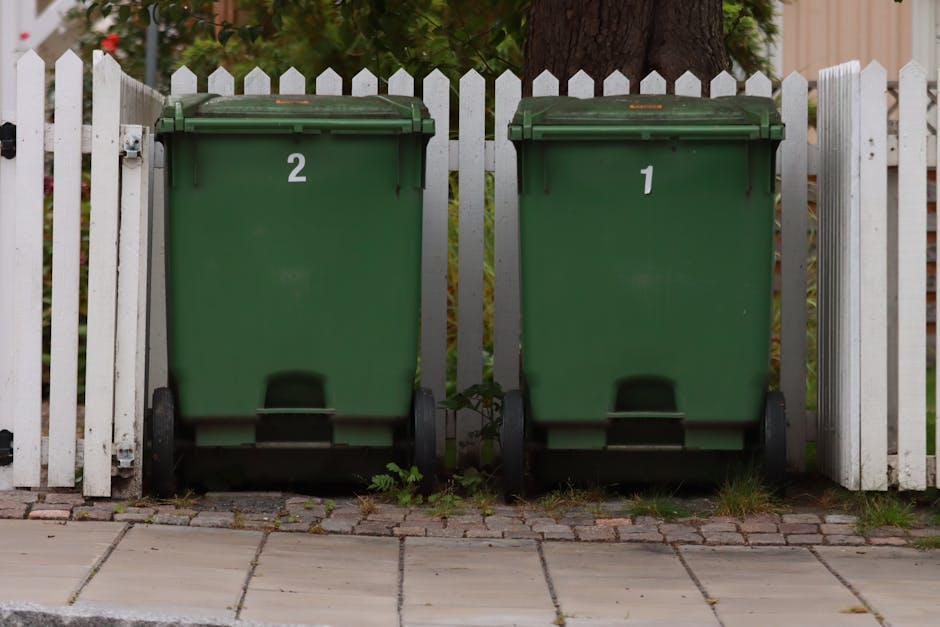
Harrow Council rules for green waste and garden disposal HA2
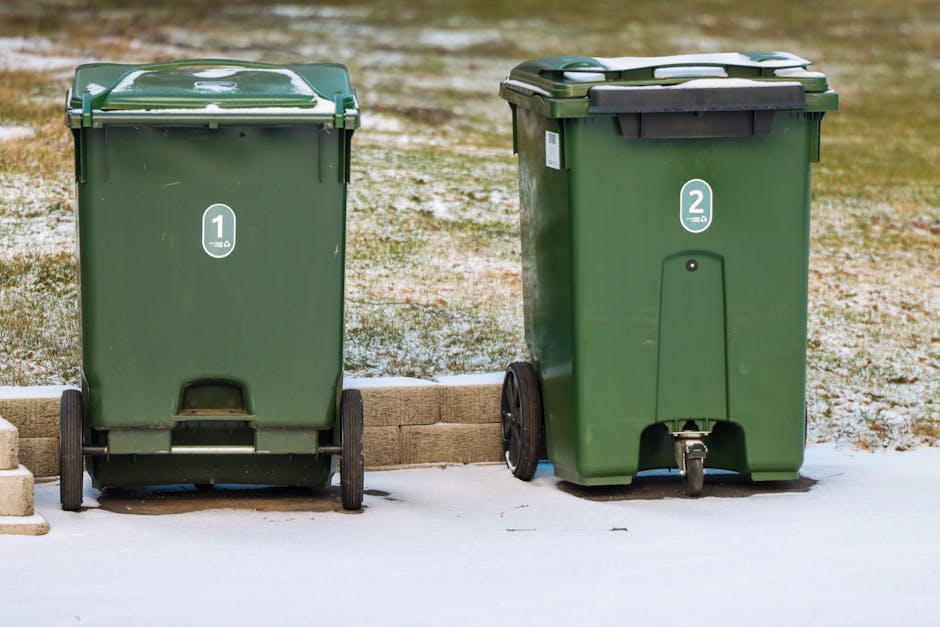
If you live in HA2 and you are trying to work out what Harrow Council expects for garden clear-ups, you are not alone. Green waste sounds simple until you are standing in the shed with a pile of prunings, a few bags of leaves, a broken plant pot, and the slightly annoying question of what goes where. Harrow Council rules for green waste and garden disposal HA2 matter because getting it wrong can mean missed collections, extra mess, or waste that ends up being treated as general rubbish rather than compostable material.
This guide breaks the topic down in plain English. You will find the practical logic behind garden waste rules, how to sort common materials, what homeowners and landlords often overlook, and how to keep a tidy, compliant setup without making the whole job harder than it needs to be. Truth be told, a clean disposal routine saves time every single week.
Why Harrow Council rules for green waste and garden disposal HA2 Matters
Garden waste looks harmless, but councils treat it carefully for good reason. When leaves, grass cuttings, twigs, hedge trimmings, and similar organic material are separated properly, they can usually be processed in a cleaner, more efficient way. When they are mixed with rubble, plastic, food waste, or old fencing, the whole load becomes harder to handle. That creates delays, higher costs, and more contamination.
For HA2 households, the rules matter for another everyday reason: space. Not everyone has room for a compost heap, a skip, or a trailer. Many gardens in West Harrow are modest in size, and that means waste can pile up fast after one weekend of mowing, hedge trimming, or a small tidy-up. A clear disposal method stops the bins overflowing and keeps the garden usable instead of looking like a worksite that has gone on one day too long.
There is also a local nuisance angle. Windy corners, shared alleyways, and narrow front gardens can make loose bags, branches, and lawn clippings awkward to store. If you have ever tried to carry a damp sack of grass across paving stones in the drizzle, you will know it is not exactly a glamorous part of gardening. A sensible disposal routine reduces spillages, odours, and unwelcome insects.
Expert summary: the simplest approach is usually the best one: separate organic garden waste early, keep it dry where possible, and make sure non-organic items never slip into the same pile. If you are planning a bigger tidy-up or want to combine waste clearance with a broader garden refresh, services such as garden maintenance in West Harrow or general gardening support can make the process much easier to manage.
How Harrow Council rules for green waste and garden disposal HA2 Works
The exact collection setup can change over time, so the safest habit is to check the current council guidance before you put anything out. Even so, the structure of most UK garden waste systems is broadly familiar. Green waste is usually the compostable organic material from routine garden work, while anything contaminated, treated, bulky, or non-organic follows a different route.
In practical terms, this usually means the council expects garden waste to be presented neatly and only in accepted containers or formats. That could include a garden waste bin, sacks, or another approved method, depending on the current local service. Loose piles on the pavement, mixed household rubbish, and overloaded containers are usually where people run into trouble. Not because councils love being strict for the sake of it, but because waste crews need consistency.
Here is the kind of sorting logic that helps day to day:
- Usually accepted as green waste: grass cuttings, leaves, small branches, hedge trimmings, dead flowers, weeds without seed heads, and plant cuttings.
- Usually not accepted as green waste: soil in large amounts, stones, plant pots, treated wood, plastic ties, metal wire, turf in heavy slabs, and food waste.
- Sometimes accepted only with caution: larger woody prunings, thick roots, or bulky materials may need a different disposal method.
If you are dealing with trees, dense shrubs, or awkward woody cuttings, it can help to bring in specialist support such as tree surgery services or hedge trimming work. That is especially useful after storms or when a hedge has grown into a proper monster. Let's face it, some jobs are bigger than a standard green bin can reasonably handle.
For larger garden projects, the disposal process often becomes part of the planning. If you are redesigning borders, replacing old features, or carrying out a full refresh, using landscaping services can keep waste removal coordinated with the rest of the work.
Key Benefits and Practical Advantages
Following the rules does more than prevent a failed collection. It can genuinely improve the way your garden runs week to week. Once you set up a system, the whole place feels easier to look after. You notice it when you are clearing after a wet Sunday cutback and everything has a home instead of a random corner of the patio.
- Cleaner garden spaces: waste gets moved quickly instead of hanging around in untidy heaps.
- Less contamination: proper separation means compostable material stays suitable for processing.
- Fewer collection issues: following the accepted format reduces the chance of missed pickups.
- Better safety: fewer trip hazards, fewer sharp branches underfoot, fewer bags blowing about.
- More efficient garden projects: pruning, mowing, and clearance become part of a calm routine rather than a scramble.
There is also a practical financial angle, even if it is not the first thing people think of. When waste is sorted properly, you are less likely to need emergency collection, repeated trips to a disposal site, or last-minute help because a pile has become unmanageable. If you are already maintaining a lawn, keeping on top of lawn mowing and lawn care can reduce the amount of cuttings building up in the first place.
And there is a quieter benefit too: good waste handling makes a garden feel cared for. A neat boundary, fresh mulch, clean paths, and no soggy heap of trimmings in the corner... it just feels better. Small thing, maybe, but it matters.
Who This Is For and When It Makes Sense
This topic is relevant to more people than you might expect. Homeowners in HA2 obviously need it, but so do landlords, tenants, letting agents, gardeners, and anyone managing outdoor space around a property. If you are responsible for a front garden, rear patio planting, communal edging, or an overgrown hedge line, you are already in the zone where these rules affect you.
It especially makes sense if you are dealing with:
- regular mowing and edging during spring and summer
- seasonal leaf fall in autumn
- pruning after windy weather
- an end-of-tenancy garden tidy-up
- a post-renovation clear-out where outdoor waste has built up
- a one-off project such as fence replacement, decking refresh, or patio cleaning
For example, if you are replacing an old boundary and tidying the planting line at the same time, it may make sense to combine disposal planning with fencing work or patio cleaning. That way, the garden is not disrupted in two separate phases. Fewer interruptions. Less faff.
People with small gardens often benefit most because there is nowhere to hide the mess. One loaded wheelbarrow can make a compact yard feel crowded. Larger properties, on the other hand, tend to accumulate bulky waste faster. Different problem, same need: a plan.
Step-by-Step Guidance
Here is a straightforward way to deal with garden waste in HA2 without overcomplicating it.
- Sort the waste at the source. Keep green waste separate from household rubbish, rubble, packaging, and old fittings. If you are trimming hedges, put the clippings into one area only. If you are digging out old plants, keep the roots apart from pots and ties.
- Remove non-organic contamination. Shake off plastic labels, take out wire ties, and remove stones or bits of broken pot. It sounds tiny, but this is where many loads go wrong.
- Reduce the volume. Cut long branches down to manageable lengths, flatten leafy material where possible, and avoid overfilling sacks or bins. A compact load is safer and easier to move.
- Keep materials dry if you can. Wet grass and soaked leaves get heavy very quickly. Dry material is easier to handle and usually less messy for collectors or removal teams.
- Use the correct container or collection method. Put the waste out only in the way accepted by the current service. If there is any doubt, check the latest council instructions before collection day.
- Plan bulky jobs separately. Tree reductions, major hedge cuts, or old planting bed removals may need additional support. That is the point where specialist help often saves time and backache.
- Follow up with a tidy finish. Sweep paths, check side access, and make sure nothing has fallen under shrubs or behind bins. A ten-minute clean-up avoids the "why is this still here?" moment the next morning.
If you are unsure whether a task is more like routine maintenance or a larger clearance, a good rule is this: if the waste would overwhelm your normal storage space, treat it as a planned disposal job rather than an afterthought. That small shift helps a lot.
Expert Tips for Better Results
After plenty of garden clear-ups, a few habits stand out as genuinely useful.
- Prune little and often. Smaller amounts are easier to sort, store, and dispose of than one giant seasonal cutback.
- Chop branches before they dry out fully. Fresh cut wood is usually easier to manage than brittle, tangled material left for weeks.
- Use tarpaulins or old sheets as moving surfaces. They make it simpler to drag waste across paving or grass without scattering debris everywhere.
- Keep one "clean" pile and one "questionable" pile. The second pile is where you park anything that may need checking, like treated timber or mixed materials.
- Don't wait for collection day to start sorting. If you begin the evening before, you are far less likely to rush and make mistakes. Ask anyone who has been caught in a sudden drizzle with half a hedge on the lawn.
Another useful habit is to design the garden so disposal becomes easier over time. Low-maintenance borders, sensible plant spacing, and practical access routes reduce the amount of awkward waste you generate. For ideas on that front, low-maintenance garden ideas can be surprisingly helpful, especially if you want a neat garden without constant cutting back.
If you are rebuilding a garden layout, think beyond the plants themselves. Clear access routes, storage for tools, and a sensible place for temporary waste staging all make a difference. It is the boring side of gardening, sure, but it saves energy later.
Common Mistakes to Avoid
Most problems with garden disposal come from the same handful of mistakes. The good news? They are easy to avoid once you know them.
- Mixing green waste with general waste. Once contaminated, the load may no longer be handled as intended.
- Including soil, rubble, or broken materials. These are often treated differently from compostable garden waste.
- Leaving bags uncovered in bad weather. Wet waste is heavier, messier, and less pleasant to move.
- Overfilling containers. It can stop collection crews from taking them, and it is awkward for everyone involved.
- Ignoring bulky woody material. Thick branches and trunks are not the same as soft cuttings.
- Dumping waste in shared spaces. Even small piles can become a nuisance in communal areas or narrow access points.
There is one more mistake that catches people out: assuming every bit of outdoor waste can go in the same place. It cannot. A bundle of ivy, a pile of leaves, an old plant pot, and a broken trellis are four different jobs, even if they came from the same afternoon. If you have been battling climbing plants or clearing awkward growth, the advice in stubborn ivy removal can help you reduce the mess before it becomes disposal trouble.
Tools, Resources and Recommendations
You do not need a huge kit to manage garden waste properly, but a few basic tools make the whole thing far less painful.
- Heavy-duty gloves: for brambles, rough stems, and hidden bits of wire.
- Secateurs and loppers: useful for cutting waste down to size.
- Rake and broom: ideal for leaves, loose clippings, and final sweeps.
- Tarpaulin: excellent for moving mixed organic waste without scattering it.
- Reusable garden sacks or bins: better than flimsy bags that split in the rain.
- Wheelbarrow or garden trolley: very handy if the access route is long or uneven.
A good set of tools is not about being fancy. It is about making the job safer and quicker. If you are building a more self-sufficient approach, the article on must-have equipment for the dedicated gardener is a practical companion piece.
For people who want to create less waste overall, the best resource is often their own garden design. Dense planting can be beautiful, but if every season produces a huge amount of cutting back, you may end up with more disposal work than you want. Sometimes a slightly lighter planting scheme is simply easier to live with. Not exciting, perhaps, but very sensible.
If you need hands-on help with larger outdoor jobs, it can be worth speaking to a local team via the contact page. That is particularly useful when the garden needs both clearance and ongoing maintenance.
Law, Compliance, Standards, or Best Practice
Without getting lost in legal jargon, the safest approach is to treat garden waste as a controlled part of household waste management. Councils generally expect residents to keep waste streams separate, present them correctly, and avoid contamination. That is not just tidiness for tidiness's sake; it supports recycling, composting, and collection efficiency.
Best practice in this area usually includes:
- keeping compostable material separate from non-compostable material
- avoiding hazardous items in garden waste containers
- not overloading bins, sacks, or collection points
- following local presentation rules on collection day
- disposing of treated wood, soil, rubble, and bulky waste through the correct channel
If a garden task creates waste that is outside normal household handling, it is wise to treat it as a separate disposal decision. That is especially true for larger branches, fence offcuts, and any material that has been painted, preserved, or otherwise treated. In practical terms, that means using judgment rather than guessing. Guessing is how awkward loads happen.
There is also a general duty of care mindset worth keeping in the back of your head. If waste leaves your property, it should be handled responsibly and not left in a way that causes nuisance, obstruction, or environmental mess. The principle is simple even if the exact procedures vary.
Options, Methods, or Comparison Table
Different disposal methods suit different types of garden waste. Here is a simple comparison to help you choose the right path.
| Method | Best for | Pros | Watch-outs |
|---|---|---|---|
| Council green waste collection | Routine grass cuttings, leaves, small prunings | Convenient, straightforward, suitable for regular upkeep | Must follow collection rules closely; contamination can cause problems |
| Home composting | Soft organic material, leaves, some plant matter | Reduces waste, improves soil, no need to move material off site | Not all material is suitable; needs space and a bit of patience |
| Professional garden clearance | Bulkier cutbacks, overgrown plots, post-project mess | Fast, efficient, less lifting for you | Best used when the job is bigger than routine maintenance |
| Reuse on site | Branches for habitat piles, shredded material for mulch | Low waste, beneficial for wildlife and soil | Needs planning and suitable materials only |
If you are working through a bigger transformation, garden waste can often be reduced by combining methods. For example, clippings can be collected, some woody material can be chipped or reused, and the rest handled through the council route or a clearance team. It does not have to be all one thing.
Case Study or Real-World Example
A typical HA2 scenario goes like this. A homeowner spends a Saturday morning clearing a narrow back garden after a burst of spring growth. There is lawn cuttings, hedge trimmings, a few ivy strands, and some old ties from last year's planting. Nothing dramatic. But by the time everything is cut down, the pile has grown into three separate bags and a small branch stack that does not fit neatly into normal rubbish.
Instead of mixing everything together, they separate the waste into soft green material, woody cuttings, and non-organic bits. The soft material goes into the correct garden waste container, the woody pieces are bundled safely for the right disposal route, and the ties and plastic tags are removed before anything is presented. The result is simple: less mess, less lifting, and no last-minute panic on collection day.
Now compare that with the common alternative: everything thrown into one bag, the bag splits, the wet grass clogs the bottom, and the garden path turns into a muddy trail. That's the version nobody wants. A bit of sorting up front saves all that. It really does.
For a more ambitious outdoor refresh, people often pair disposal planning with practical garden improvements. A compact, tidy design supported by ongoing garden maintenance can reduce future waste dramatically. If hedges are the main source of debris, smart hedge trimming approaches can keep growth under control and make disposal easier next time around.
Practical Checklist
Use this checklist before you put garden waste out or arrange a clearance.
- Have I separated green waste from general household rubbish?
- Have I removed plastic, wire, labels, and broken non-organic items?
- Are the bags, bins, or bundles within the current accepted limits?
- Have I cut long branches and bulky cuttings down to a safer size?
- Is the waste dry enough to handle without unnecessary mess?
- Do I know whether soil, rubble, treated wood, or fence offcuts need a different route?
- Have I checked collection day timing and presentation rules?
- Is there enough space to move the waste without blocking paths or neighbours?
- Would a specialist service help if the job is larger than expected?
- Have I done a final sweep so nothing sharp or loose is left behind?
If you are doing seasonal work, it helps to treat this checklist like part of the task, not an optional extra. A quick review now prevents a headache later. Simple as that.
Get a free quote today and see how much you can save.
Conclusion
Harrow Council rules for green waste and garden disposal HA2 are really about making garden upkeep cleaner, easier, and more responsible. Once you understand what counts as green waste, what needs a separate route, and how to present everything properly, the whole process becomes much less stressful. In a lot of cases, the difference is just a little bit of sorting and a little bit of planning.
That planning pays off quickly. You get a tidier garden, fewer collection problems, and a calmer routine when the hedge grows faster than you expected or the lawn decides to behave like it has somewhere better to be. If the job is bigger, there is no shame in bringing in help. Sometimes the sensible choice is the best one, and that is perfectly fine.
Keep it simple, keep it tidy, and the garden usually rewards you back.
Frequently Asked Questions
What counts as green waste in Harrow Council rules for garden disposal?
Green waste usually means compostable garden material such as grass cuttings, leaves, weeds, flowers, hedge trimmings, and small branches. Anything mixed with plastic, rubble, treated wood, or general household rubbish is usually handled separately.
Can I put soil in my garden waste bin?
Usually not in large amounts. Soil is often treated differently from green waste because it is heavy and behaves more like inert material than compostable garden waste. If you have a small amount, check the current local guidance before mixing it in.
Are hedge cuttings and branches accepted?
Soft hedge cuttings are normally fine if presented correctly, but thicker branches and woody material may need a different route if they are too bulky. Cutting them down smaller first usually helps.
Can I mix weeds with grass cuttings?
Yes, in many cases weeds and grass cuttings are both treated as green waste. The main caution is to keep out seeds, roots with excess soil, and any non-organic contamination.
What happens if I put the wrong things in with garden waste?
Collections can be refused or the load may be treated as contaminated. That can mean extra hassle, and sometimes extra cost if a separate collection or alternative disposal route is needed.
Is home composting better than council collection?
It can be, if you have the space and the right type of waste. Home composting is excellent for leaves, soft cuttings, and small organic material. It is not ideal for everything, especially bulky or woody waste.
What should I do with old plant pots and broken garden tools?
These are not green waste. Plant pots, tools, wire, and similar items usually need separate disposal or reuse. Keeping them out of the garden waste stream avoids contamination.
Can I leave loose garden waste on the pavement for collection?
Usually not. Waste normally needs to be presented in the correct container or format. Loose piles can create litter, block access, or be missed by crews. It is best to follow the current collection instructions exactly.
Do I need professional help for a small garden tidy-up?
Not always. Small routine jobs can often be managed with good sorting and the correct bin setup. But if the work involves large hedges, overgrown borders, or heavy waste, professional help can save time and avoid a lot of lifting.
How often should I clear garden waste to stay on top of it?
Light, regular clearing works best. A quick tidy after mowing or pruning is much easier than leaving everything to build up. In practice, small jobs done often are far less stressful than one huge catch-up day.
What is the easiest way to reduce garden waste in the first place?
Choose low-maintenance planting, prune regularly, mulch where appropriate, and avoid letting growth run wild. A smarter layout and a simple maintenance routine usually mean less waste later on.
When should I book a garden clearance rather than use normal disposal?
If the waste is bulky, mixed, too heavy for normal containers, or tied to a larger project like landscaping or hedge removal, a clearance service is often the more practical option. It keeps the job controlled from start to finish.