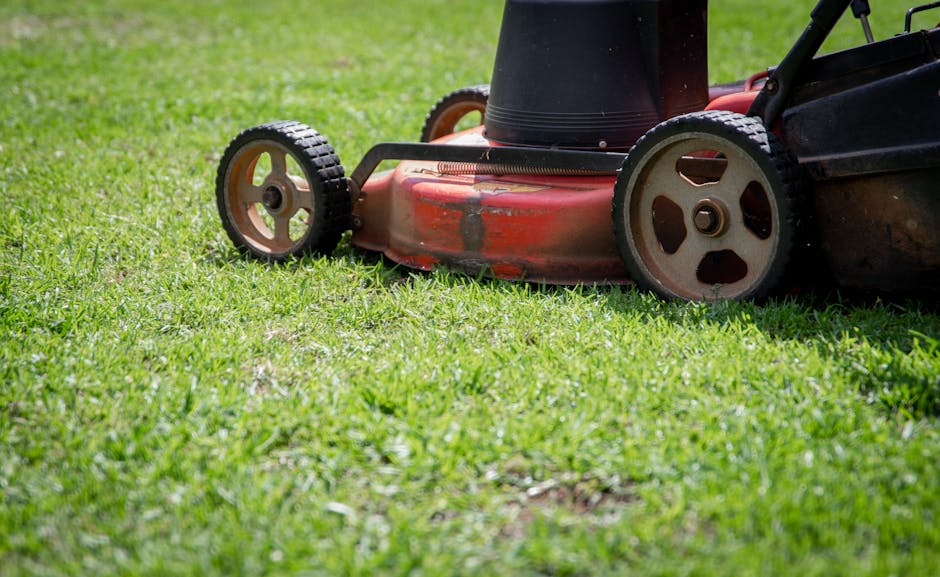
Avoid common lawn care mistakes in West Harrow gardens
West Harrow lawns have their own little personality. Some gardens get a good bit of shade from mature trees or nearby buildings, others sit in exposed spots that dry out faster than you expect, and many have that classic London mix of compacted soil, foot traffic, and patchy borders. That is exactly why avoid common lawn care mistakes in West Harrow gardens is not just a neat phrase - it is a very practical goal.
If your grass looks tired, thin, weedy, or oddly lumpy no matter how much effort you put in, the problem may not be "bad lawn seed" or "fussy weather". Often, it is a handful of avoidable habits that quietly damage a lawn over time. The good news? Most of them are straightforward to fix once you know what to look for. In this guide, we will walk through the mistakes that matter most, how they show up in real West Harrow gardens, and what to do instead. Nothing magical. Just better lawn decisions, made calmly and consistently.
Why Avoid common lawn care mistakes in West Harrow gardens Matters
A lawn is often the visual anchor of a garden. In West Harrow, where many gardens balance small outdoor spaces, family use, pets, shade, and seasonal weather swings, the margin for error can be surprisingly small. One wrong routine can leave the turf stressed for months. Mow too short, and the lawn becomes vulnerable to heat and weeds. Water badly, and roots stay shallow. Feed at the wrong time, and growth becomes weak or patchy. It is a bit unfair, really - grass looks simple until it starts complaining.
The local context matters. Urban gardens often deal with compacted soil from regular use, limited drainage, and uneven light. That means a generic "one-size-fits-all" approach often fails. A lawn in West Harrow may need more thoughtful mowing heights, better edging discipline, seasonal feeding, and occasional aeration rather than constant tinkering. If you are trying to improve your garden's overall appearance, a healthy lawn also supports the rest of the space by framing beds, paths, and features more cleanly.
There is another reason this topic matters: wasted effort. Many homeowners spend money on seed, fertiliser, or tools without fixing the underlying problem. That is like repainting a wall with a leak behind it. The result may look better for a week, then fade. Once you understand the main mistakes, you can invest where it actually counts.
For gardens that need a broader tidy-up alongside the lawn, it can help to combine lawn work with regular garden maintenance in West Harrow or a more general gardening service so the whole space improves together, not just one patch of grass.
How Avoid common lawn care mistakes in West Harrow gardens Works
The basic idea is simple: good lawn care protects the grass's growth cycle instead of fighting it. Grass needs light, air, water, and nutrients in balanced amounts. When one part is handled badly, the whole system gets out of rhythm. A lawn is not just a decorative surface; it is living ground cover with roots, soil structure, and seasonal needs.
Here is the practical version. You mow to encourage healthy density, but not so aggressively that you scalp the grass. You water deeply, but not so often that roots become lazy. You feed when the lawn is actively growing, but not in a way that forces soft growth into stressful weather. You clear debris so moisture and disease do not build up. You manage weeds early rather than waiting for them to take over. That is the working model.
In a garden with awkward corners, trees, or mixed-use areas, lawn care also works best when it is part of a wider plan. Heavy shade near the fence line might need different treatment from the sunny middle section. If roots from nearby trees are competing with the turf, you may need to think about tree surgery in West Harrow as part of the solution rather than blaming the lawn alone. Likewise, if boundary planting has become overgrown, hedge trimming can improve light and airflow in ways that directly help the grass.
The best lawns usually come from steady routines, not dramatic interventions. A little trimming here, a bit of aeration there, and sensible seasonal timing - boring, maybe, but effective. Very effective.
Key Benefits and Practical Advantages
Getting the basics right has a few noticeable payoffs. Not only does the lawn look better, it becomes easier to manage and more resilient when the weather turns odd, which in London it sometimes does by lunch time.
- Stronger grass coverage: Less bare soil means fewer weeds and a cleaner finish.
- Better drought tolerance: Deeper roots cope better with dry spells and warm patios reflecting heat.
- Lower maintenance stress: A lawn that is cared for properly tends to need fewer rescue jobs.
- Improved garden appearance: The whole space feels neater and more intentional.
- Better use of time and budget: You stop buying fixes for problems caused by avoidable habits.
There is also a practical safety and comfort angle. A thick, even lawn is easier to walk on, easier for children to use, and less likely to become a muddy mess near paths or play areas. If your garden includes decked seating or paved spaces, the difference between a neglected lawn and a cared-for one can be huge. The transition just feels calmer.
In mixed-use gardens, it often makes sense to coordinate lawn care with nearby features. For example, keeping a patio free from moss and dirt improves the overall impression and prevents debris from drifting back onto the grass. A clean edge between lawn and hard landscaping also makes mowing tidier and quicker. If that side of the garden needs attention too, patio cleaning in West Harrow can be a sensible companion task.
Who This Is For and When It Makes Sense
This advice is for anyone in West Harrow who wants a better lawn without wasting time on the wrong habits. It is especially useful if you are:
- a homeowner trying to revive a patchy or thinning lawn
- renting and keeping an outdoor space presentable on a budget
- managing a family garden that gets regular foot traffic
- trying to reduce weeds and moss without constantly re-seeding
- looking after a small lawn surrounded by borders, trees, fencing, or hard landscaping
It also makes sense if you already have a decent lawn and want to keep it that way. Prevention is much cheaper than rescue work. That sounds obvious, but it is amazing how often people only think about their grass after it has already started to struggle.
If your outdoor space is part of a wider makeover, lawn decisions should sit alongside other improvements. For instance, a tired boundary can cast shade and make the grass weak, which may mean fencing work becomes relevant. Or perhaps the garden is being reshaped altogether, in which case landscaping support may be the better starting point. The lawn does not live in a vacuum.
And if the grass is too far gone in places, that is fine too. Sometimes the sensible move is not perfect recovery - it is a staged improvement plan.
Step-by-Step Guidance
Here is a practical way to avoid the most common errors and build a healthier lawn over time.
- Assess what the lawn is actually telling you. Look for thin patches, moss, weeds, dry spots, shade lines, and compacted areas. Don't guess.
- Check mowing height. Most lawns suffer when cut too short. Aim to remove only a small portion at a time rather than giving the grass a harsh buzz cut.
- Set a sensible mowing rhythm. Grow-time and weather matter. A lawn may need more frequent cutting in spring, less during heat or slow growth periods.
- Water deeply when needed, not constantly. Shallow sprinkling encourages weak roots. A longer soak, less often, usually supports better growth.
- Feed at the right time. Use lawn feed when grass is actively growing and can use it well. Feeding at the wrong point can do more harm than good.
- Deal with weeds early. Hand removal, spot treatment, or better turf density will usually beat a late rescue attempt.
- Aerate compacted ground. If the soil feels hard underfoot, the roots may be struggling. Aeration can improve air and water movement.
- Scarify where appropriate. Removing excess thatch and moss helps the grass breathe. Do not overdo it, though; the lawn should not look like it has been through a small war.
- Edge and tidy regularly. Clean edges make the whole lawn look healthier, even before the grass itself is perfect.
- Review seasonal needs. What works in April may not work in August or November. Adjust, then adjust again if needed.
If that sounds like a lot, it becomes easier once it is part of a routine. A short weekly check in daylight, especially after wet weather, often catches issues before they spread.
For many gardens, professional lawn mowing in West Harrow helps keep the routine consistent, while lawn care services can tackle the more technical work like feeding, aeration, and recovery. That combination is often the sweet spot.
Expert Tips for Better Results
Once the basics are in place, a few small adjustments can make a big difference.
1. Mow with the season, not the calendar
Grass does not care what month it is if the weather says otherwise. In cooler, wetter periods it may grow differently from a warm, dry spell. Let growth rate guide the mowing cycle. If the lawn is hardly moving, forcing a weekly cut can be unnecessary stress.
2. Keep blades sharp
A blunt mower tears grass rather than cutting it cleanly. That torn edge can dry out and make the lawn look frayed. It is one of those tiny details that barely seems important until you see the difference. Then it is obvious.
3. Tackle shade honestly
If part of the garden sits under trees or beside tall hedges, accept that it may never behave like the sunny middle section. You may need shade-tolerant grass management, reduced wear, and better airflow. In some cases, improving light through tree work or hedge shaping is more effective than endlessly reseeding the same unhappy patch.
4. Watch for compaction near paths and play zones
High-traffic areas around stepping stones, gates, and seating can compact quickly. If a section gets used heavily, a more durable approach may be needed. This is where thoughtful garden planning beats constant patch repair.
5. Keep notes, even rough ones
You do not need a spreadsheet. A note on your phone is enough. If you remember that the lawn got mossy after a wet January or dried out under a south-facing fence in late July, you can make better decisions next season.
And yes, sometimes the garden just changes. A nearby tree grows. A hedge thickens. The children start using one corner more than another. Lawn care has to move with real life, not the other way round.
Common Mistakes to Avoid
This is the heart of the topic. These are the errors that most often ruin otherwise decent lawns in West Harrow gardens.
- Cutting too short: Scalping weakens grass, exposes soil, and encourages weeds and moss.
- Watering too often and too lightly: This keeps roots shallow and makes the lawn more fragile.
- Ignoring compacted soil: If air and water cannot reach the roots, growth slows down no matter how much feed you use.
- Feeding at the wrong time: Feeding when grass is dormant or stressed can waste product and trigger weak growth.
- Letting weeds establish fully: Small weeds are manageable. Mature ones spread fast and become a bigger job.
- Using dull mower blades: Ragged cuts reduce the quality of the lawn and make it look tired.
- Overreacting with too many products: More fertiliser, more weedkiller, more seed - not always better. Sometimes it is just more confusion.
- Failing to manage shade and nearby growth: Overgrown trees and hedges can choke light and air from the lawn.
- Skipping seasonal clean-up: Leaves, twigs, and debris hold moisture and invite problems.
- Expecting instant repair: Lawn recovery usually takes time. Quick fixes can be helpful, but only if the basics are right.
One common mistake deserves special mention: trying to fix moss only by removing moss. Moss is often a symptom, not the root issue. If the soil is compacted, shaded, or poorly drained, it will probably come back. A better long-term approach is to correct the conditions that caused it in the first place.
Another one? People often over-seed bare patches without improving the soil underneath. The new seed germinates, then struggles. It is annoying because it looks like progress for a week or two. Then not so much.
Tools, Resources and Recommendations
You do not need an enormous kit to manage a decent lawn, but the right tools make the work simpler and cleaner.
- Sharp mower: Whether manual or powered, a mower with an adjustable height is useful.
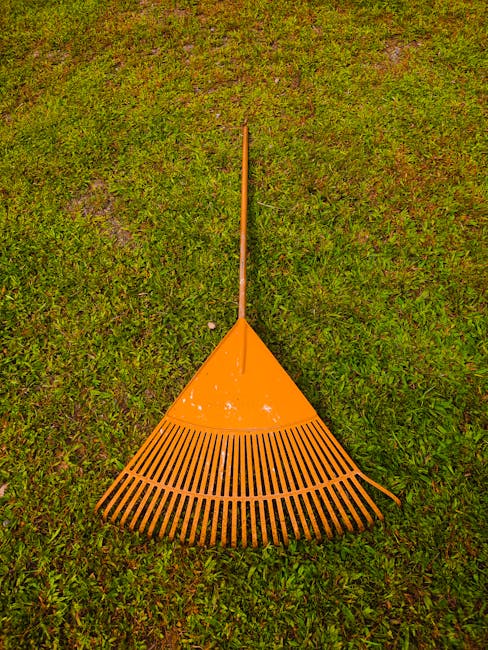
- Rake or spring tine rake: Helpful for debris, thatch, and light scarifying.
- Spreader: Useful for seed or feed if you are covering larger areas evenly.
- Aeration fork or hollow-tine aerator: Good for compacted ground.
- Edging tool: Improves the look of the lawn and keeps borders under control.
- Watering can or hose with sensible control: Better for targeted watering than a scattergun approach.
If you are building out your garden toolkit, there is a helpful overview in must-have equipment for the dedicated gardener. It is a decent place to sanity-check what you actually need rather than buying everything in sight.
For jobs that sit beyond the lawn itself, it can also help to think about the whole garden structure. Good boundaries, clean hard surfaces, and healthy planting all reduce strain on the turf. You may find useful ideas in three effective weed control techniques and creating a stunning garden with minimal maintenance. Those ideas pair nicely with lawn work because they reduce the background chaos that often causes problems.
For homeowners wanting broader support, garden maintenance can be the steady option, while a more targeted lawn care package is often best when the grass itself needs focused attention. Honestly, a combined approach is often easier than piecemeal fixes.
Law, Compliance, Standards and Best Practice
For ordinary domestic lawn care in West Harrow, there usually are not complicated legal issues attached to mowing or feeding your own grass. That said, there are still sensible standards and practical duties to keep in mind.
If you are using powered equipment, follow the manufacturer's safety guidance and use it responsibly, especially in shared access areas or near boundaries. Be considerate with noise, timing, and debris. In a residential area, a mower at an awkward hour can annoy neighbours quickly. Not ideal, obviously.
If you are applying lawn feeds, weed treatments, or moss control products, follow the product instructions carefully. Overuse can damage the turf and may create run-off issues. For gardens with pets or children, allow appropriate drying or settling time before letting them onto treated areas. If you are unsure, choose caution. It is rarely the wrong move.
Where tree roots, hedges, fencing, or nearby structures affect the lawn, best practice is to look at the garden as a system. For example, trimming back dense growth may improve airflow, and managing nearby trees may ease shade and root competition. That is not about being overly technical; it is just good garden sense. In some cases, a broader professional assessment is useful, especially if the lawn has persistent drainage or shading issues.
If the lawn is part of a larger redesign that includes decking, paving, or boundaries, it is worth planning the order of works carefully. Heavy construction can compact soil or damage turf if done in the wrong sequence. A bit of forethought saves a lot of backtracking.
Options, Methods, or Comparison Table
Different lawns need different levels of intervention. Here is a simple comparison of common approaches.
| Method | Best for | Pros | Watch out for |
|---|---|---|---|
| Basic mowing and edging | Healthy lawns that just need upkeep | Low cost, easy to maintain, keeps things tidy | Does not solve compaction, weeds, or poor soil |
| Seasonal feed and watering plan | Lawns showing mild stress or uneven colour | Supports steady growth, improves resilience | Timing matters; overfeeding can cause soft growth |
| Aeration and scarifying | Compacted, mossy, or thatchy lawns | Improves air, water, and root development | Can look rough temporarily; not for every lawn at every time |
| Overseeding and patch repair | Bare or thin areas | Restores coverage and density | Needs decent soil preparation to succeed |
| Professional lawn care support | Problem lawns, busy households, larger gardens | Consistent results, practical expertise, less trial and error | Costs more than DIY, though often saves time and mistakes |
For many West Harrow gardens, the simplest option works fine until it does not. Then a more targeted method becomes necessary. The trick is not to jump straight to aggressive treatment when a lighter fix will do. That is where a bit of judgement saves money and, frankly, a lot of hassle.
Case Study or Real-World Example
Consider a typical West Harrow garden with a small rectangular lawn, a hedge along one side, and a mature tree near the back. The owner mows it every week in summer, but very short, because it "looks neat". They also sprinkle water on dry afternoons and use a general feed a few times a year, without much pattern.
At first, the lawn seems manageable. Then the edges thin out, moss creeps in near the shaded back section, and a few weeds start appearing after wet spells. The owner then tries a stronger fertiliser, which makes the grass grow quickly but not more strongly. The back still struggles. The centre gets patchy. The mower blades are a bit blunt too, which does not help.
The turning point usually comes when the routine is simplified. Mow higher. Water less often but more deeply. Sharpen the blades. Aerate the compacted area. Trim the hedge enough to allow better light. In some cases, reduce tree pressure where appropriate with the help of tree surgery and sensible pruning. After a season or two, the lawn does not need to be "rebuilt"; it just starts behaving like healthy grass again.
That is the quiet truth about lawn care. The dramatic rescue story is rare. The boring, steady improvement story is the one that wins.
Practical Checklist
Use this quick checklist before you decide your lawn needs a major overhaul.
- Have you been cutting the grass too short?
- Are you watering lightly and too often rather than deeply?
- Does the soil feel hard or compacted underfoot?
- Are weeds being left until they spread?
- Is there dense shade from trees or hedges?
- Are your mower blades sharp and set correctly?
- Is debris being cleared after wind or leaf fall?
- Have you fed the lawn at a sensible time in the season?
- Are certain areas suffering from regular foot traffic?
- Do you need help from a professional for stubborn patches?
If you can answer "yes" to several of those points, you have probably found the real issue. And once the real issue is clear, the fixes get much easier.
Conclusion
A healthy lawn in West Harrow does not happen by accident. It comes from noticing the small things: the cut height, the watering pattern, the soil condition, the shade, the edges, the timing. When you avoid common lawn care mistakes in West Harrow gardens, you give the grass a fair chance to recover and stay strong through the seasons.
Start with the basics, stay consistent, and do not overcomplicate it. If the lawn needs more than a simple tidy-up, look at the wider garden too - hedges, trees, fences, paths, and borders all affect how the grass performs. A garden tends to improve as a whole, or not at all. Bit of a nuisance, but also useful, because it means one good decision often helps three other things as well.
Get a free quote today and see how much you can save.
Take it one step at a time, and be patient with the process. A good lawn is built slowly, and that is part of the satisfaction.
Frequently Asked Questions
What is the most common lawn care mistake in West Harrow gardens?
Cutting grass too short is one of the biggest problems. It weakens the lawn, exposes soil, and makes it easier for weeds and moss to move in.
How often should I mow my lawn in West Harrow?
It depends on growth rate, season, and weather. In active growing periods, you may need to mow more often, but the key is to avoid removing too much at once.
Is watering every day bad for the lawn?
Usually, yes. Light daily watering often encourages shallow roots. A deeper, less frequent soak is generally healthier for established grass.
Why does my lawn get moss in shaded areas?
Shade, dampness, poor airflow, and compacted soil can all encourage moss. Often the fix involves improving conditions, not just removing the moss itself.
Should I feed my lawn all year round?
No, not usually. Feeding is most helpful when grass is actively growing. Applying feed at the wrong time can be wasteful or even stressful for the lawn.
What should I do if my lawn is thin and patchy?
Check for compaction, shade, drainage problems, and mowing habits before reseeding. If the soil is poor, seed alone may not solve the issue.
Can nearby hedges or trees affect lawn health?
Absolutely. Dense hedges and tree roots can reduce light, air movement, and moisture availability. Sometimes trimming or tree work improves the lawn noticeably.
Do I need professional help for a small lawn?
Not always. But if the lawn is stubbornly patchy, mossy, or uneven despite your efforts, a professional can identify the real cause faster.
What tools are most useful for better lawn care?
A sharp mower, edging tool, rake, and aeration equipment are the basics. A spreader and watering control can also help if you feed or reseed regularly.
How do I know if the lawn problem is from bad care or bad soil?
If the lawn struggles no matter how carefully you mow or water, the soil may be compacted, low in nutrients, or poorly drained. That is a clue to look deeper.
Is lawn care different in London gardens compared with rural gardens?
Often, yes. Urban gardens can have more shade, more compacted soil, and more hard landscaping nearby, so they may need more precise care and timing.
When is the best time to fix lawn mistakes?
As soon as you notice them. Early correction is easier than waiting for the lawn to decline. A small adjustment now can save a lot of recovery work later.